
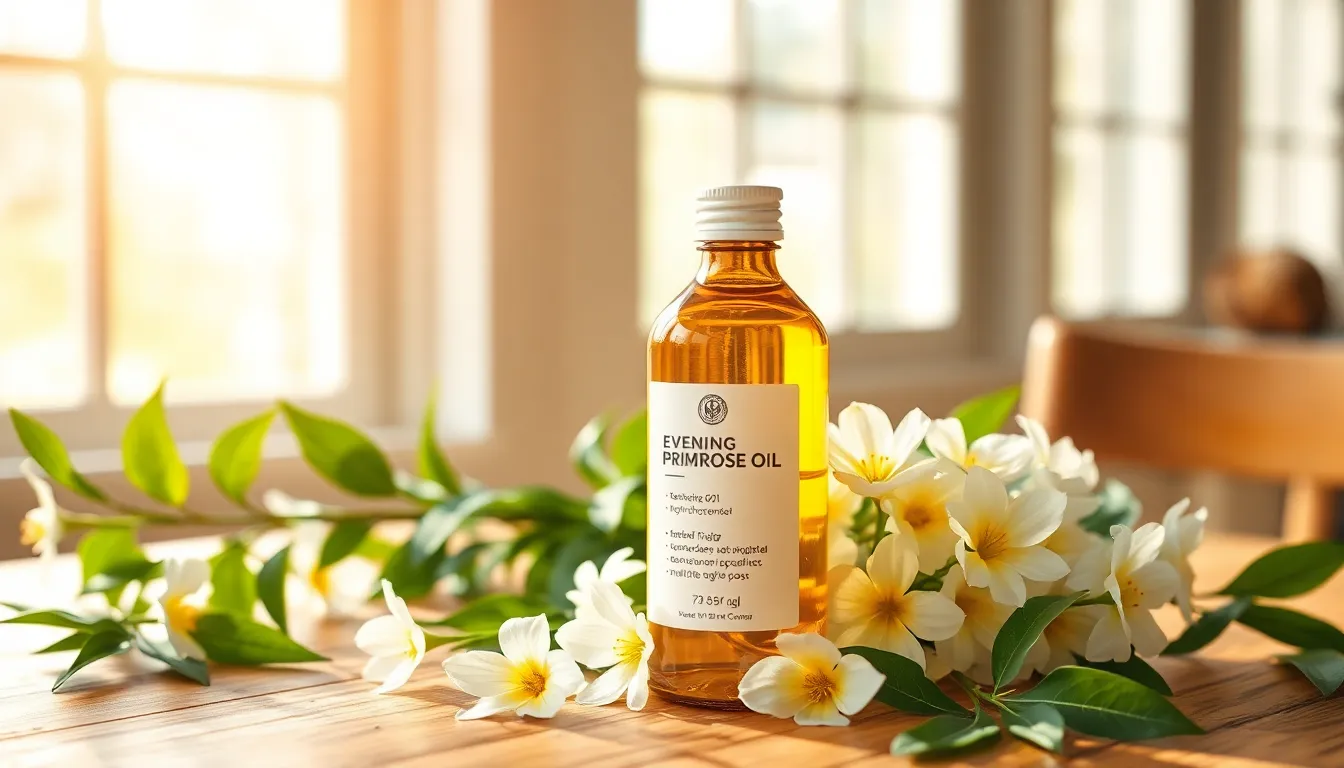

Evening primrose oil has become a darling in the natural health world, celebrated for its potential benefits, including hormonal balance and skin health. But wait—does this golden elixir come with a side of unexpected weight gain? It’s a question that’s sparked curiosity and perhaps a little anxiety among wellness enthusiasts. After all, no one wants to trade their glow for a muffin top!
Table of Contents
ToggleOverview of Evening Primrose Oil
Evening primrose oil, derived from the seeds of the evening primrose plant, contains high levels of gamma-linolenic acid (GLA), an essential fatty acid. GLA is known for its role in supporting hormonal balance, particularly in women. Users commonly seek out evening primrose oil for its potential benefits in alleviating symptoms of premenstrual syndrome (PMS) and menopause.
This oil also offers advantages for skin health, including improved hydration, elasticity, and the reduction of inflammatory skin conditions. Some individuals apply evening primrose oil topically, while others prefer oral supplements to experience its full spectrum of benefits.
Research shows that evening primrose oil may help reduce eczema flare-ups and improve overall skin texture. Antioxidative properties further enhance its appeal, protecting skin cells from oxidative stress.
Despite its many benefits, some wellness enthusiasts express concerns about possible weight gain. It’s crucial to acknowledge that evening primrose oil contains calories, which could contribute to weight changes if consumption exceeds energy expenditure.
Reports indicate varying experiences with evening primrose oil and weight management. Individual responses can differ significantly based on lifestyle, diet, and underlying health conditions. Observations suggest that while some users may notice fluctuations in weight, others maintain their goals without issue.
Reinforcement of overall wellness practices remains essential for those incorporating evening primrose oil into their routines. Balancing supplement use with proper nutrition and exercise can mitigate potential weight gain risks associated with high-calorie oils.
Understanding Weight Gain
Weight gain occurs from a variety of factors, and individual experiences can vary widely. Several elements influence weight changes, including diet, physical activity, and metabolism. Caloric intake forms a crucial aspect; consuming more calories than the body burns leads to weight gain. Emotional states and lifestyle choices also play significant roles. Evening primrose oil carries calories, which may contribute to weight fluctuation for some users. Additionally, hormonal changes influenced by supplements can alter appetite or metabolism, further impacting weight.
Factors Contributing to Weight Gain
Various factors can contribute to unexpected weight gain while using evening primrose oil. Genetics influences metabolism and body composition. Lifestyle habits such as lack of exercise or poor dietary choices can exacerbate weight gain. Stress management is essential; high stress may lead to increased cravings or emotional eating. Furthermore, existing health conditions like hormonal imbalances could alter weight response. Evening primrose oil may interact with these factors, potentially leading to weight fluctuations. Understanding these influences helps users navigate their weight management more effectively.
Role of Supplements in Weight Management
Supplements play a critical role in weight management but aren’t magic solutions. Evening primrose oil may offer hormonal balance and skin enhancement benefits, but reliance solely on it may not yield desired weight control. Users are encouraged to balance supplement intake with healthy eating and regular exercise. Integrating other weight management strategies boosts outcomes. Consulting healthcare professionals ensures a personalized approach, factoring in individual health needs and goals. Awareness of the comprehensive role of supplements supports lasting wellness rather than fleeting results.
Scientific Studies on Evening Primrose Oil
Research highlights evening primrose oil’s potential effects on metabolism. Studies suggest gamma-linolenic acid may play a role in metabolic processes. Increased metabolic activity could lead to better energy utilization. Herbal remedies often vary in individual response, making it essential to consider one’s unique metabolism. Various lifestyles affect how evening primrose oil is utilized in the body, possibly influencing weight management.
Effects on Metabolism
Evening primrose oil may influence metabolic function positively. Some research indicates that gamma-linolenic acid can enhance insulin sensitivity. Improved insulin sensitivity often leads to better blood sugar regulation, which affects energy levels. Increased energy availability can support physical activity, thereby promoting a healthier lifestyle. Users may experience variations in metabolism, as individual factors such as diet and exercise play significant roles.
Impact on Weight Loss or Gain
The relationship between evening primrose oil and weight management remains complex. Some individuals report weight fluctuations while using the oil, suggesting a nuanced effect on weight. Hormonal imbalances or changes triggered by supplementation may impact appetite regulation. A user’s overall dietary habits greatly influence weight outcomes as well. Maintaining a balanced routine of nutrition and exercise remains crucial for achieving health goals despite potential calorie contributions from evening primrose oil.
Expert Opinions
Experts offer valuable insights on the relationship between evening primrose oil and weight gain. Understanding their perspectives helps clarify common concerns.
Nutritionists’ Insights
Nutritionists emphasize the potential for calorie contribution from evening primrose oil. Some argue that its high-calorie content requires mindful integration into diets. Balancing intake with healthy eating habits remains crucial. They encourage individuals to consider overall dietary patterns, suggesting that evening primrose oil fits into a well-rounded nutrition plan. Furthermore, maintaining portion control and monitoring body responses may help users manage weight effectively. Applying this knowledge can assist in mitigating any risks linked to supplementation.
Medical Perspectives
Medical professionals focus on the nuances of evening primrose oil’s impact on weight. Research indicates that individuals respond differently based on unique metabolic rates and lifestyle factors. Hormonal changes from supplementation can influence appetite and body composition. Physicians note that while some users report weight fluctuations, others do not experience significant changes. They advise consulting healthcare providers for personalized recommendations. Understanding how evening primrose oil interacts with individual health conditions also plays a role in weight management strategies.
Evening primrose oil can offer various health benefits but its impact on weight varies among individuals. While some may experience fluctuations due to calorie content and hormonal changes others might not see any effect on their weight. The key lies in a balanced approach that includes proper nutrition and regular exercise.
Integrating evening primrose oil into a wellness routine can be beneficial but it’s essential to monitor individual responses. Consulting with healthcare professionals can provide tailored advice to ensure that users achieve their health goals without compromising their weight management efforts. Overall a holistic focus on lifestyle choices remains crucial for lasting wellness.