
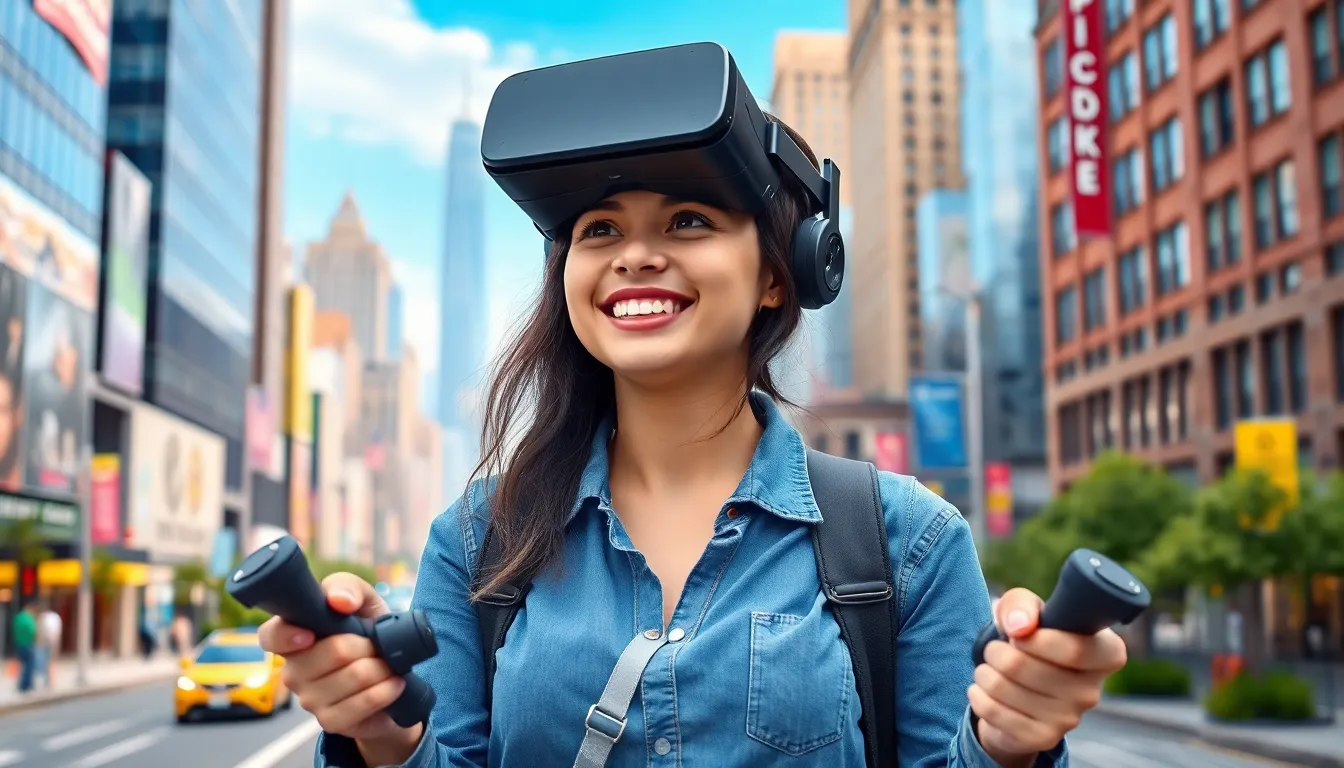

Imagine zipping through city streets or soaring above traffic without ever leaving your couch. VR transportation apps are revolutionizing how people navigate their world, blending cutting-edge technology with a sprinkle of fun. These apps don’t just offer a virtual ride; they provide an immersive experience that can make even the most mundane commute feel like an adventure.
Overview of VR Transportation Apps
VR transportation apps reshape how users experience urban travel. These applications utilize virtual reality technology to transform mundane commutes into engaging adventures. By leveraging immersive environments, users can navigate city streets realistically, enhancing their understanding of local landmarks and routes.
Developers focus on interactivity and user engagement. Features often include real-time traffic updates, route optimization, and gamified experiences. Various platforms enable users to visualize their journeys, making long drags feel shorter and more entertaining.
Many VR transportation apps cater to diverse needs. Some target daily commuters looking for efficient travel routes, while others aim at tourists seeking to explore new cities without the hassle of physical navigation. Options abound, enabling users to choose experiences that best fit their requirements.
Incorporating social features strengthens community connections. Users can share their experiences, recommend routes, and even collaborate on discovering new places together. These social elements add a layer of support, allowing users to learn from each other’s adventures.
Adoption rates of VR transportation apps indicate growing interest. Statistics reveal the segment is expanding rapidly, with users appreciating the innovative approach to travel. As technology improves, further enhancements in user experience are anticipated, driving continued engagement while creating richer environments for exploration.
Key Features of VR Transportation Apps
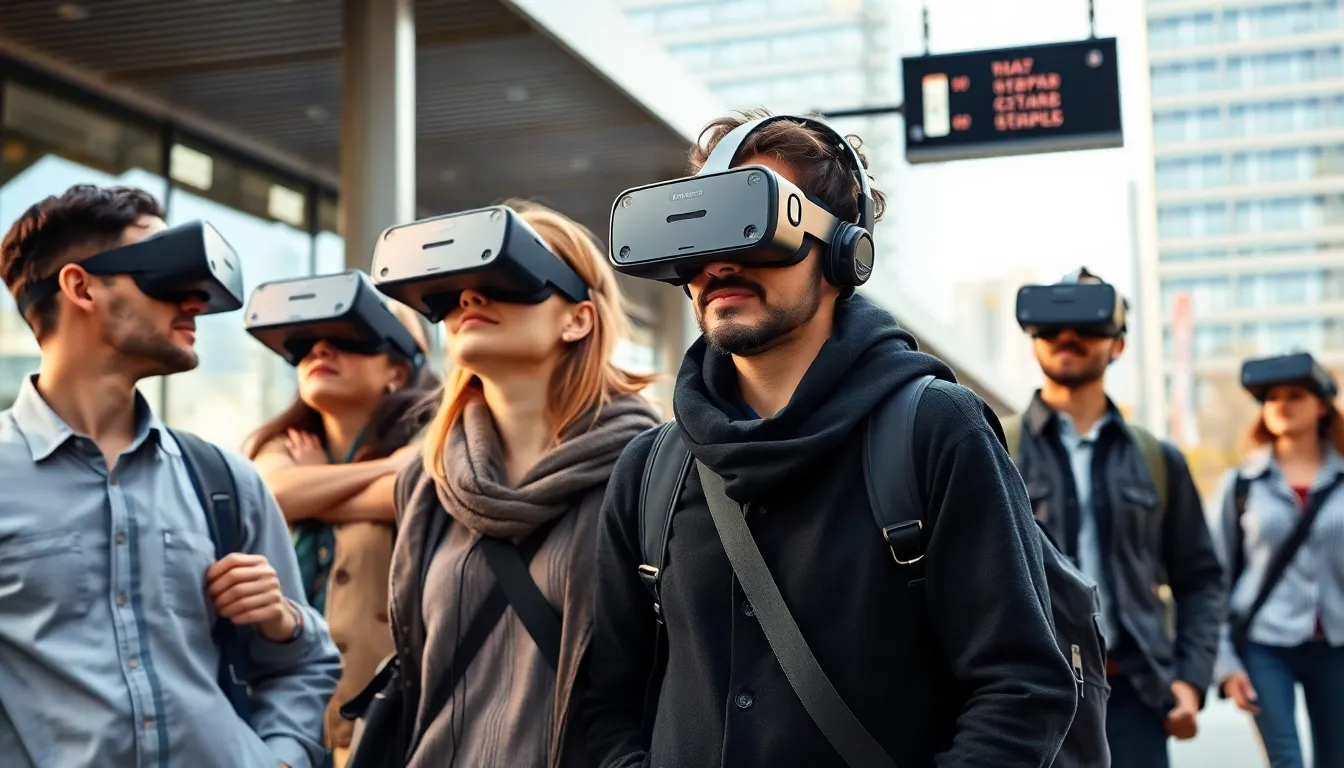
VR transportation apps offer unique features that enhance user experience and navigation in urban environments. These characteristics provide significant value to daily commuters and tourists alike.
User Interface and Experience
User interfaces in VR transportation apps prioritize simplicity and intuitiveness. Engaging visuals capture users’ attention and enhance navigation. Developers ensure that interactions feel natural in virtual settings. Feedback prompts guide users effortlessly through features. Gamified elements transform routine tasks into enjoyable experiences. Personalization allows users to customize their journeys, tailoring the app to fit individual preferences. Visual cues help users identify marked locations and landmarks.
Navigation and Mapping
Navigation features are crucial for VR transportation apps. Real-time traffic updates inform users about current conditions. Accurate routing algorithms improve efficiency by finding optimal paths. Users can explore various routes through immersive simulations, which creates an engaging travel environment. Integration with mapping services provides detailed geographical information. Dynamic points of interest highlight attractions along the way. These elements work together to enhance users’ navigation experiences. Overall, the combination creates a seamless and informative travel experience.
Benefits of Using VR Transportation Apps
VR transportation apps provide significant advantages for urban navigation, enhancing user experiences and improving travel efficiency. The integration of advanced technology transforms routine commutes into engaging adventures.
Enhanced Realism and Engagement
These apps immerse users in detailed virtual environments, making navigation more interactive. With realistic graphics and sounds, users feel present in their surroundings, enhancing their sense of place. Exploring city streets virtually lets individuals familiarize themselves with landmarks and routes before they travel. Dynamic simulations foster deeper connections to their destinations. Engaging storytelling elements encourage users to discover hidden gems in urban landscapes. Gamification within these experiences keeps users entertained, encouraging frequent interaction. Ultimately, this realism elevates the enjoyment of otherwise mundane travel.
Improved Navigation and Safety
Enhanced navigation features significantly improve travel efficiency. Real-time traffic updates provide users with accurate information to avoid congestion. These apps use advanced routing algorithms that adapt routes depending on traffic conditions. Users receive suggestions for alternative paths in real time, reducing delays. Safety benefits arise through virtual hazard recognition, boosting awareness of surroundings. Users can practice navigating in virtual settings, honing their skills before venturing out. Furthermore, app users can share favorite routes and safety tips within communities, fostering collaborative navigation strategies. Access to personalized feedback creates a safer and more informed travel experience.
Challenges and Limitations
VR transportation apps face several significant challenges that can impact their effectiveness and user experience.
Technological Barriers
Limited accessibility to advanced hardware constrains broader usage of VR transportation apps. Many users lack high-performance devices necessary for optimal experiences. Furthermore, software compatibility issues can create frustration, as not all devices support the latest VR technology. High bandwidth requirements pose another challenge, especially in areas with poor internet connectivity. Developers must address these technological constraints to ensure a smooth, immersive experience for users.
User Adoption and Accessibility
User adoption presents another hurdle for VR transportation apps. Many potential users are unfamiliar with virtual reality technology, leading to reluctance in trying the apps. Accessibility issues arise as individuals with disabilities may find VR experiences challenging to navigate. Additionally, the cost of VR headsets can deter users from engaging with these applications. Promoting education about the benefits and providing affordable hardware options can bolster adoption rates and expand the user base significantly.
Future Trends in VR Transportation Apps
The landscape of VR transportation apps continues to evolve rapidly. Emerging technologies and user demands shape their development direction.
Innovations on the Horizon
Innovative features are set to enhance user experiences significantly. Advanced machine learning algorithms personalize routing based on individual preferences. Integration of augmented reality elements provides real-time navigation prompts and overlays interactive information in users’ environments. Additionally, collaboration between developers and city planners creates highly detailed, realistic simulations of urban spaces. Expanded compatibility with various devices democratizes access to these immersive experiences. Feedback mechanisms allow users to suggest improvements, making apps more responsive to community needs.
Potential Market Growth
Market potential for VR transportation apps shows significant promise. Studies estimate the industry could reach a valuation of $10 billion by 2025. Increasing smartphone penetration and advances in 5G technology enhance accessibility and performance. Furthermore, rising interest from travel and tourism sectors encourages investment and development in VR applications. Cities, eager to reduce congestion, often look for innovative solutions to improve public transport efficiency. Partnerships between tech companies and governments could also drive widespread adoption of VR technologies in transportation.
The future of VR transportation apps holds immense potential for transforming urban travel experiences. As technology advances and user engagement increases, these apps are set to redefine how individuals navigate their environments. Enhanced features like real-time traffic updates and gamification not only make commuting enjoyable but also foster a sense of community among users.
While challenges remain in terms of accessibility and user adoption, ongoing innovations and collaborations promise to address these hurdles. As the market continues to expand, VR transportation apps are likely to play a pivotal role in shaping the future of urban mobility. With a focus on immersive experiences and personalized navigation, the journey ahead looks bright for both commuters and tourists alike.